#19 Succession and the delicate art of discussing reality through works of fiction
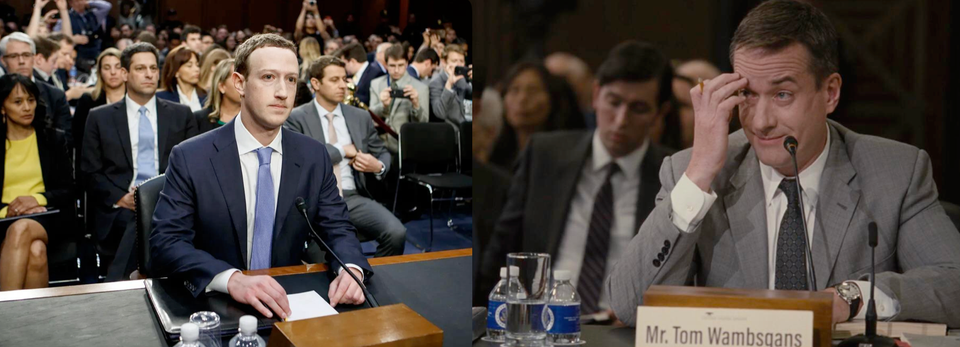
This is the first of a two-part publication on Succession, The Conclave and contemporary media. This article focuses on Succession and The Conclave: main similarities and takeaways.
The second part will list broader similarities, introduce other works of media that connect to the ideas previously discussed, and elaborate an argument for this sub-genre as a larger-than-itself approach to media for our post-truth times.
1. Introduction
Earlier this year I treated myself to a rewatch of Succession. Already aware of the overarching narrative, I was able to pay more attention to all of the details hidden in the photography, editing, and specially the incredibly eloquent script.
Succession is a piece of media that is stunning on a first watch, but even more insightful and layered on a rewatch. I was completely contaminated by the entire gist of the series on the weeks after I was done with the rewatch, and that was when I took one of the most sound decisions of our entire life and went to the movies to catch a session of The Conclave:
Movies theaters in Tokyo are the closest I have ever been to a genuine religious experience. The rooms are always pristine, the screen is bright and the colours are perfectly adjusted, the sound is crisp and loud, and the audience is so quiet you feel self-conscious about chewing on your popcorn. The lights only turn on once the credits have fully run, and only then people start to quietly exit the theater.
The Conclave session in Ikebukuro was probably one of the best movie experiences I have ever had in my life. All of the lines in Latin and Italian were subtitled in English in addition to Japanese, so we were able to follow the entire script. I left the theater feeling cleansed, cared for, catered towards and wondering why did this film feel to similar to Succession.
2. Why is The Conclave so similar to Succession? A nuanced answer
The short answer to this question lies on the fact that both The Conclave and Succession are adaptations of Shakespeare's King Lear. Succession takes it more literally and keeps the powerful family format and dynamics, while The Conclave transfers the story to the context of the Catholic Church institution.
Despite The Conclave's redeeming final act, the premise (literally a succession process), and conspiratorial dynamics between the characters remain the strongest features of the film.
Interestingly, this is also the short answer to why is Arrested Development so similar to Succession: they're both adaptations of King Lear.
Now, for the exhaustingly long answer...
A humanising gaze on those who fear vulnerability the most
I understand that beyond the objective similarities brought by the exploration of the same source material, both The Conclave and Succession adopt cinematography, photography and narrative style that cherishes the audience with a premium view of situations that are usually reserved for a very selected and privileged group of individuals.
This sneaky perspective allows the audience to desecrate the environments these characters inhabit, and eventually their personas, imposed as higher than life beings. As an example, one of the biggest plot similarities between The Conclave and Succession is the portray of death as an equalizer. Logan Roy dies "fishing a phone from a toilet", as mocked by Tom Wamsgams, while the pope's cadaver is shown vulnerable and essentially profane on a body bag in the back of an ambulance.
In Succession, luxurious homes, yachts, apartments, condos, retreats are rendered into business offices, places for negotiation and conspiracy. There's no appreciation of their true purpose by any of the characters. As a comparison, in The Conclave, the Sistine Chapel is shown as both a construction site and a space for negotiations, conspiracies, and plots: holy spaces desecrated by the greed of those who inhabit them. Nothing is sacred.

In this regard, both works offer a strong social critique through a point-of-view that seemingly poses as a mere observer of facts. The "un-romanticised" gaze of these films allows the audience to ground the power figures they follow into implications that are anything but unearthly: fear, vulnerability, death.
In conclusion, the rich and powerful, the untouchable beings who exist in a realm beyond the ordinary world where the rest of us are confined to aren't monsters or saints: they are humans.
3. Works of media for our times: learn how to read the elite
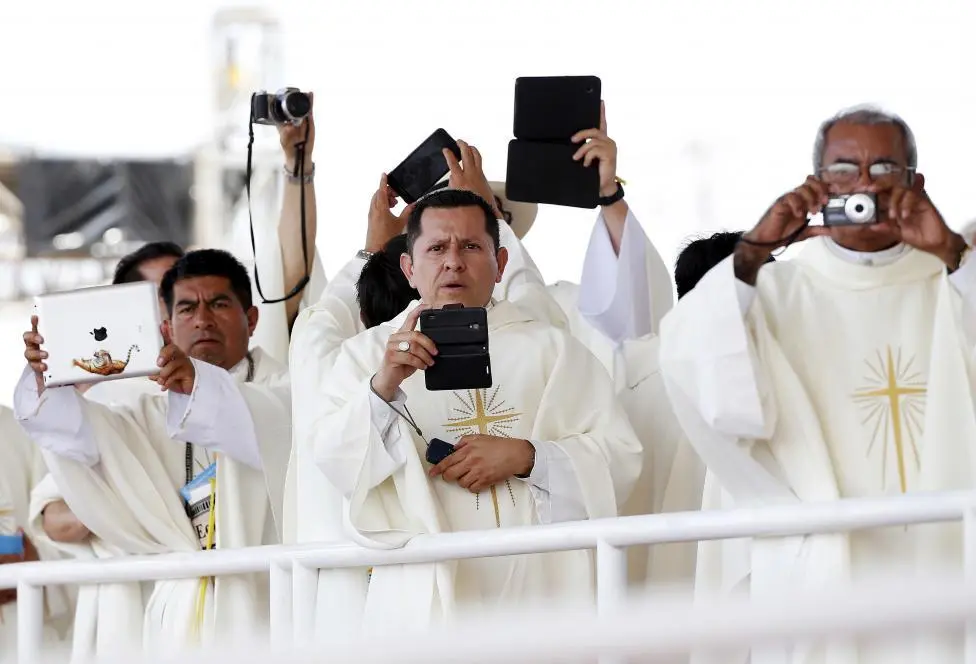
When pope Francis died, it felt like a lot of the media was somehow fueled by the cultural impact of The Conclave. The journalistic photos often mimicked the photography of the film and news outlets scrutinised the conclave process in numerous publications.
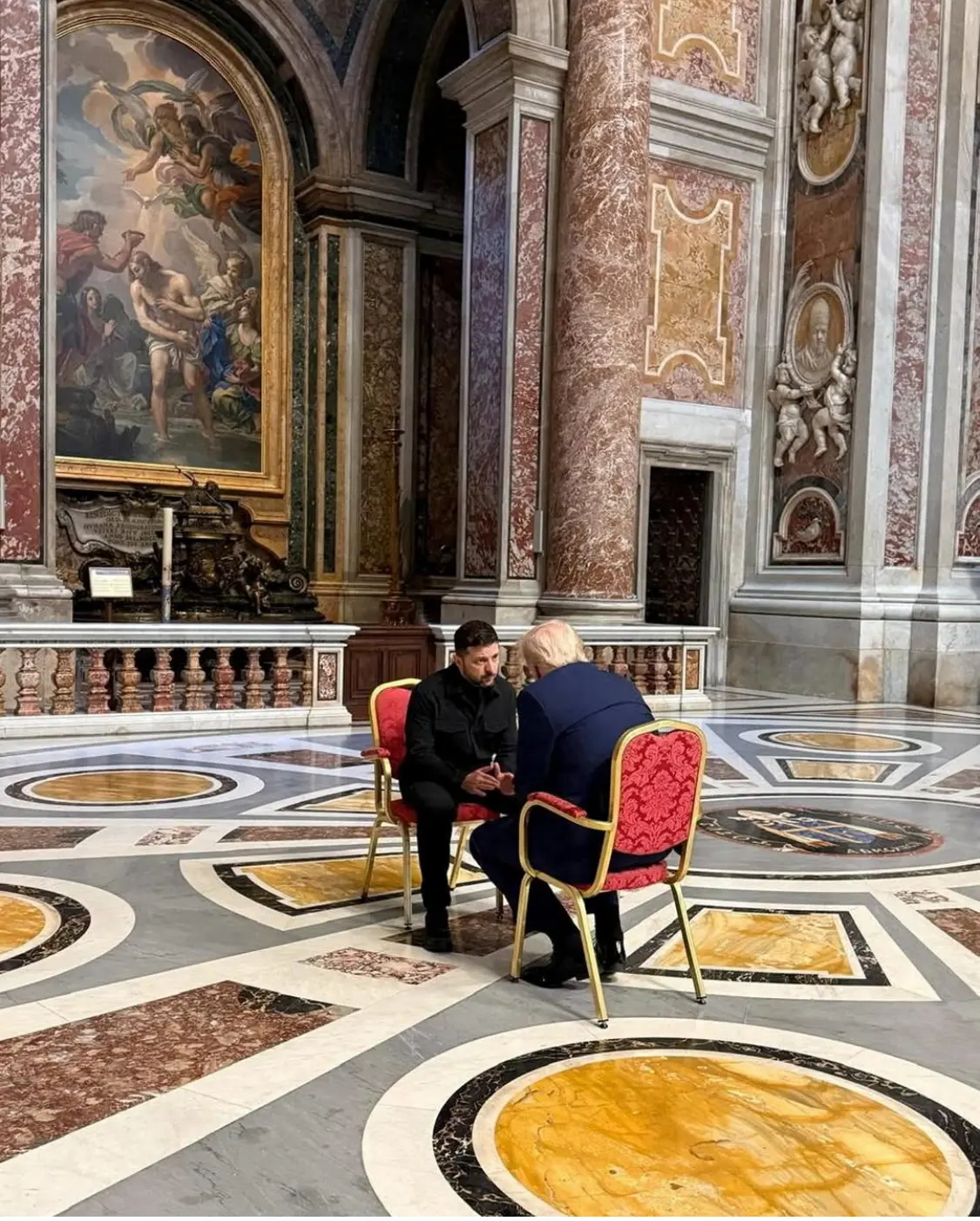
But the image that made me the most conscious of the relevant and eloquent cultural aspect of this film was a picture taken of Donald Trump and Zelensky negotiating inside the St. Peter's basilica: a holy space desecrated, turned into a business room a place for conspiracy.
Looking at news websites I often find myself sharing the comment "Succession was a documentary". It isn't rare to find situations that somehow mimic awkward and embarrassing moments of the series being involuntarily recreated by politicians and members of the tech elite. A popular example is one (of the many) disastrous explosions of a Space X rocketship, years after the episode where Roman Roy goes through the same situation was aired.
But many examples aren't necessarily as literal, they don't exemplify a specific plot point of series, but instead they further expose the nature of the relationships between powerful people and just how desperately they are to continue holding on to power, often through clumsy and miscalculated steps.

In some way, both Succession and The Conclave blend reality and fiction seamlessly, serving as an introduction into a vocabulary of thoughts and behaviours that govern the lives of these exclusive groups, shattering the illusions of merit, competence, or sanctity and offering the audience a lens through which we can understand the moves of these elites more accurately.